Independent hotels and boutique properties often receive most of their reservations through online travel agencies — and pay a substantial commission on each. The OTAs bring visibility; the margin goes with them. The answer is not to leave the OTAs but to make your own website the better place to book.
That takes a system: a website that converts, a booking engine that is faster than the OTA, rate parity handled by a channel manager, a property management system that keeps operations in one place, and guest messaging that turns a stay into a repeat booking. This guide walks through each part.
Why guests book on the OTA instead of your site
Because it is faster and feels safer. The OTA shows availability instantly, remembers their details, offers free cancellation and has thousands of reviews. Many hotel websites ask guests to fill in a form and wait for an email — so the guest goes back to the OTA.
Direct bookings grow when your website matches that experience and adds what the OTA cannot: a best-rate guarantee, direct-only perks (late checkout, breakfast, upgrades), and a human on WhatsApp who answers in minutes.
The booking engine
A modern booking engine shows live availability and prices in the guest's language and currency, completes a booking in a few taps on a phone, takes secure payment or a guarantee, and sends instant confirmation. It should be your own — integrated into your site, not a redirect to a third-party page that looks nothing like your brand.
Connect it to Google Hotel Ads and free booking links so your direct rate appears next to the OTAs in search, and to your analytics so you know exactly which pages and campaigns produce bookings.
Channel manager and PMS
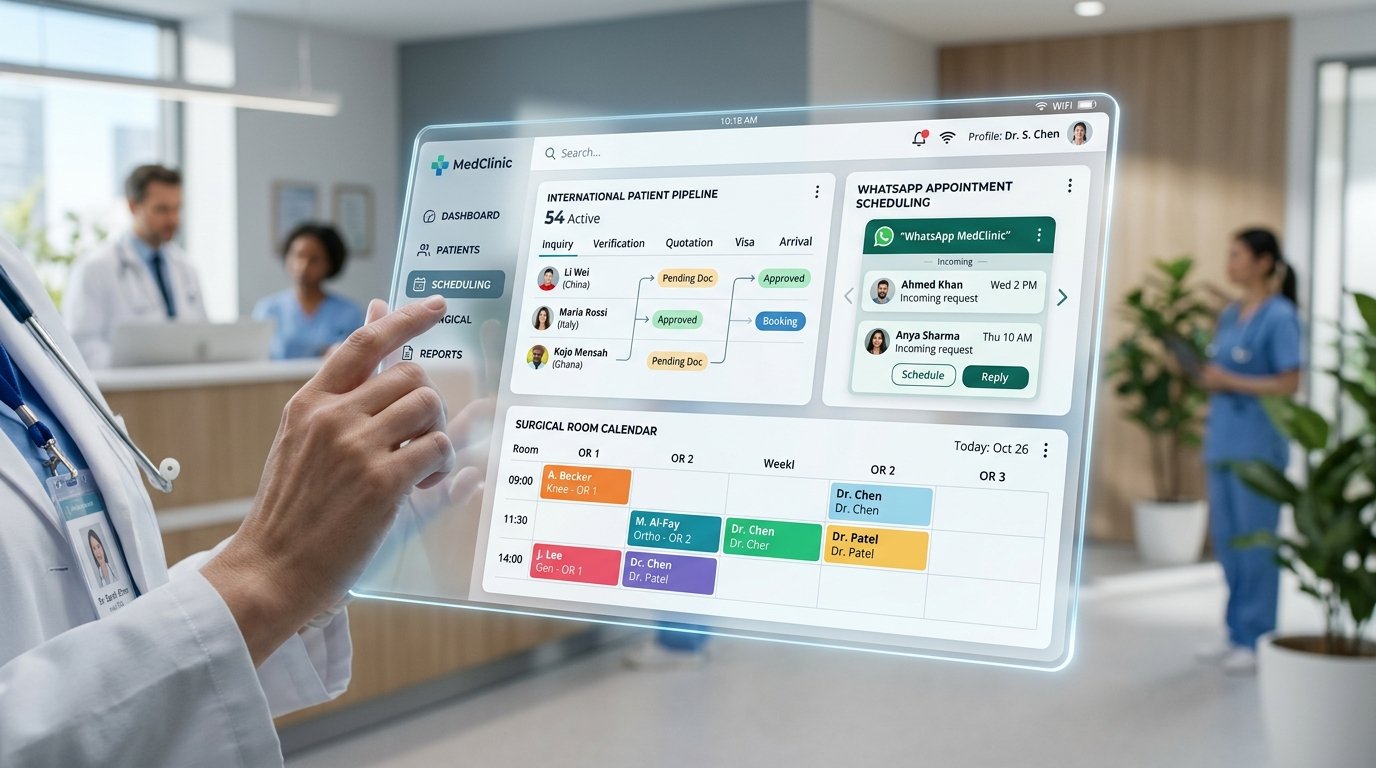
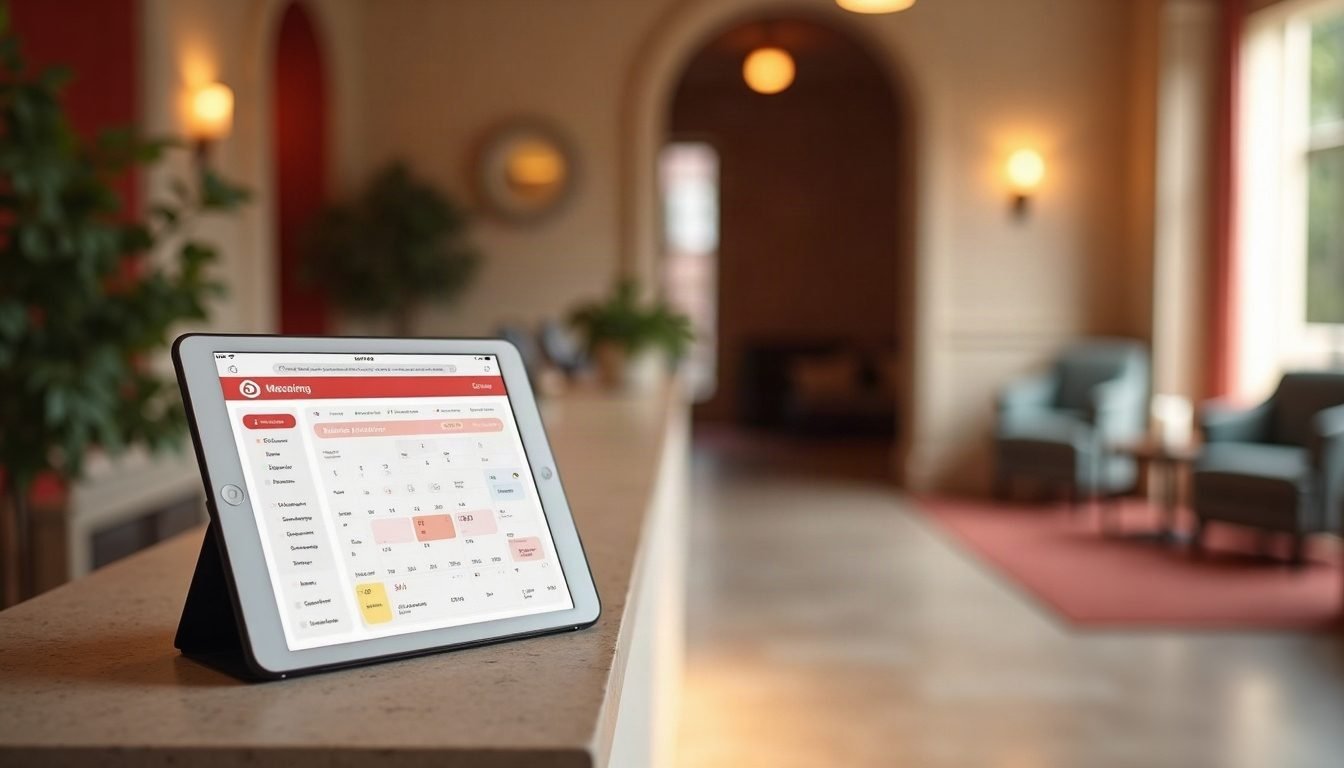
A channel manager pushes availability and rates to every OTA and pulls their bookings back, ending double bookings and manual updates. The property management system holds reservations, guests, housekeeping, rates and invoicing in one place, with reporting on occupancy, revenue per room and channel mix.
For small and mid-sized properties a custom PMS built around your workflow is often more practical than an enterprise suite — you pay for what you use, own the data, and integrate exactly what you need: booking engine, channel manager, accounting, door locks, guest messaging.
Guest messaging and repeat stays
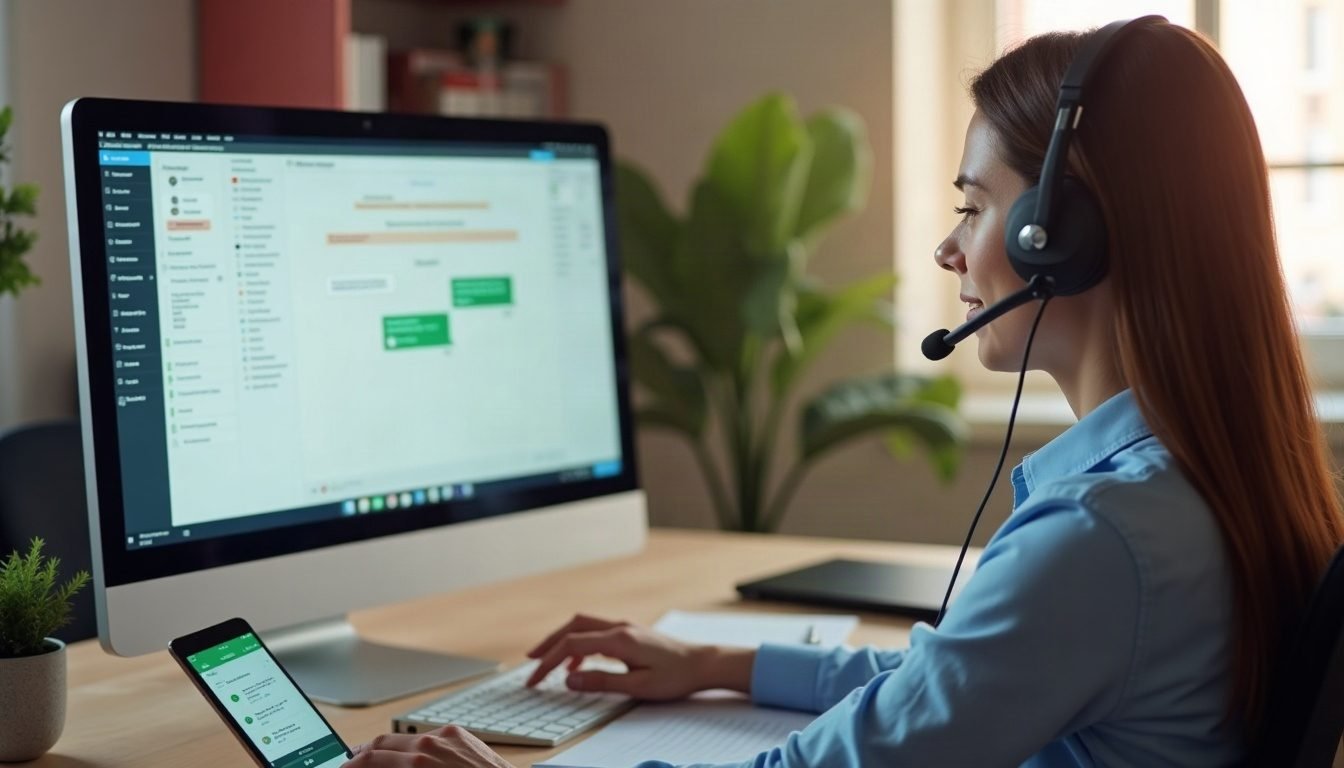
WhatsApp before arrival (directions, check-in time, upsells), during the stay (requests, restaurant bookings) and after (review request, a direct-booking offer for next time) does two things: it raises satisfaction and it moves the relationship from the OTA to you. Automate the routine messages; keep a human for the rest.
Collect guest consent and build your own list. A returning guest who books directly is the most profitable booking a hotel can make.
A website built to convert
Fast, mobile-first, photographed properly, with rooms, rates and the booking button visible without scrolling. Local-language versions for your main source markets, real reviews, clear policies and a visible best-rate promise. Everything else on this list depends on this page doing its job.
Measure the shift monthly: direct share of bookings, commission saved, website conversion rate and repeat-guest rate. Those four numbers tell you whether the system is working.
Key takeaways
- Guests book where it is fastest and safest — make your site that place.
- Own booking engine + channel manager + PMS removes double bookings and manual work.
- WhatsApp guest messaging moves the relationship from the OTA to your hotel.
- Track direct share, commission saved, conversion rate and repeat rate every month.
Read the full solution:Hospitality →
Services:Custom Software →